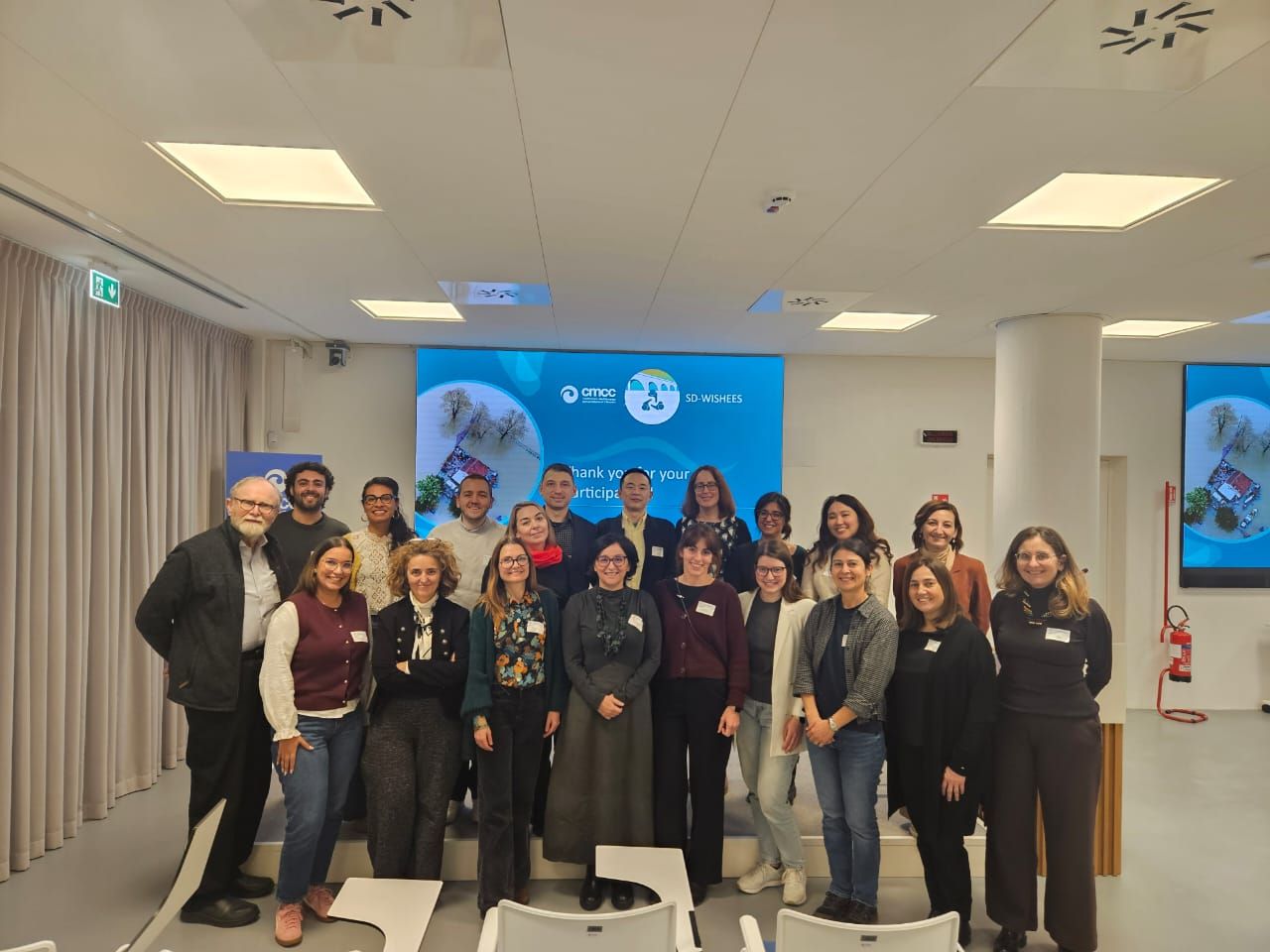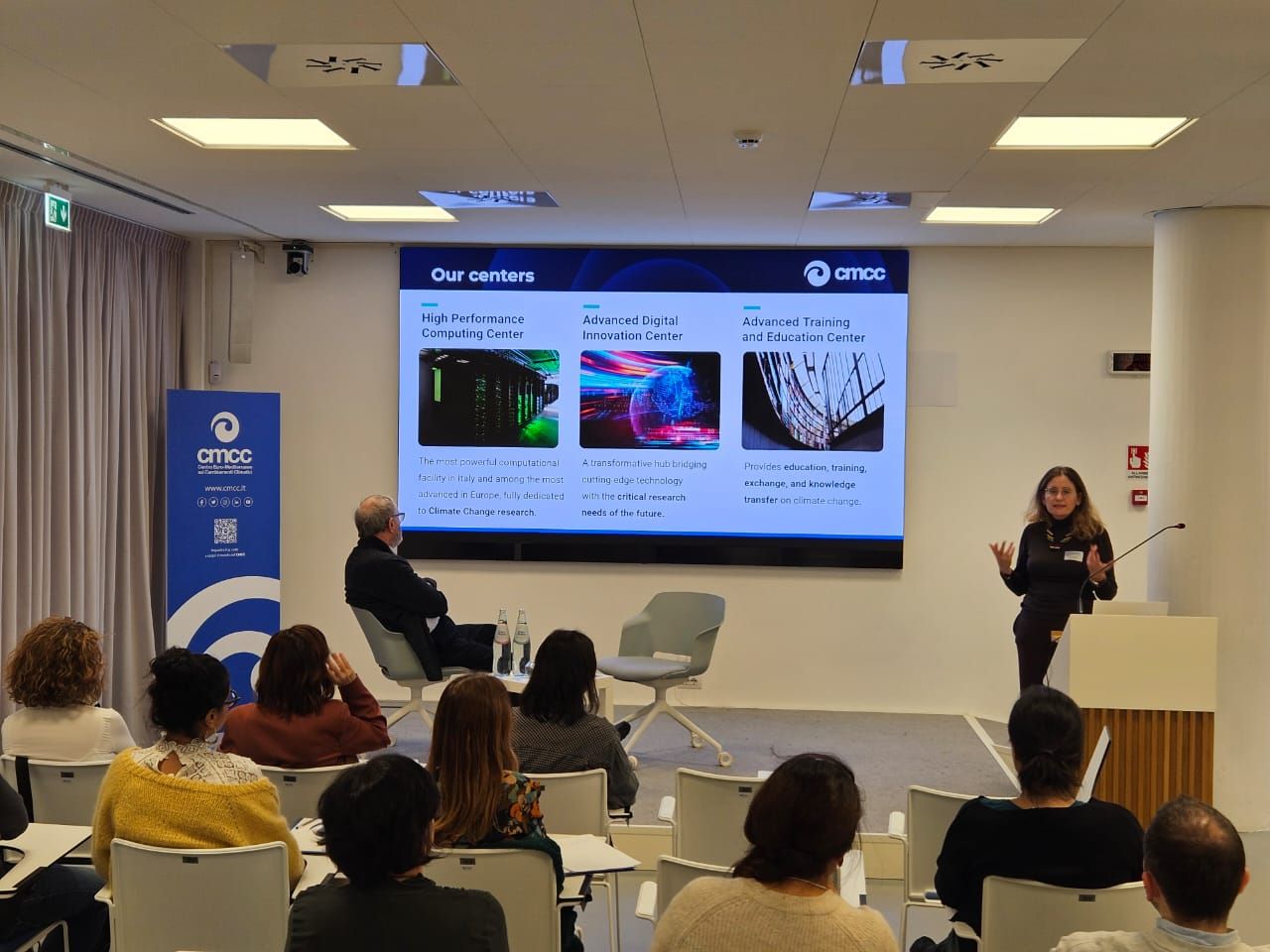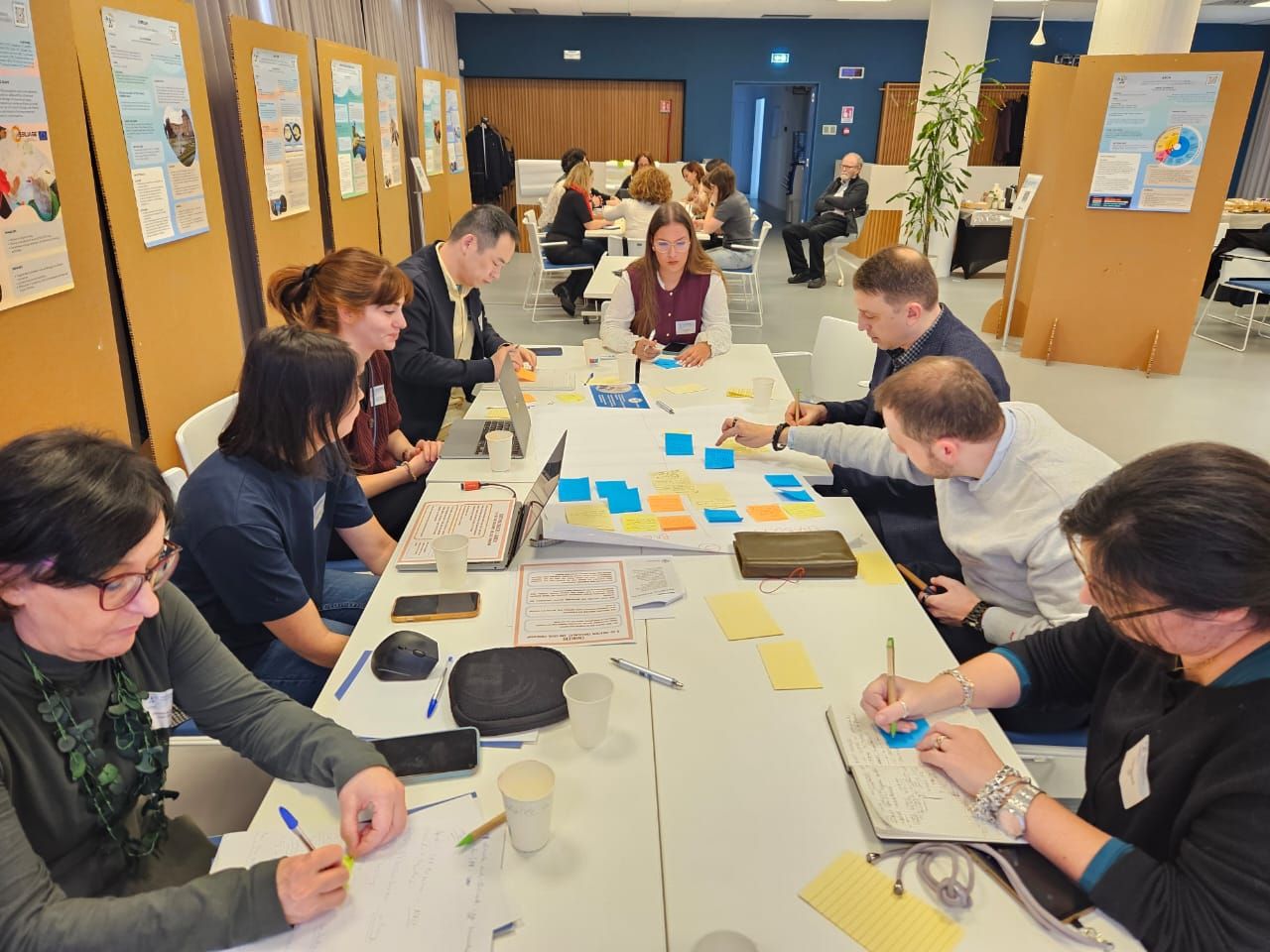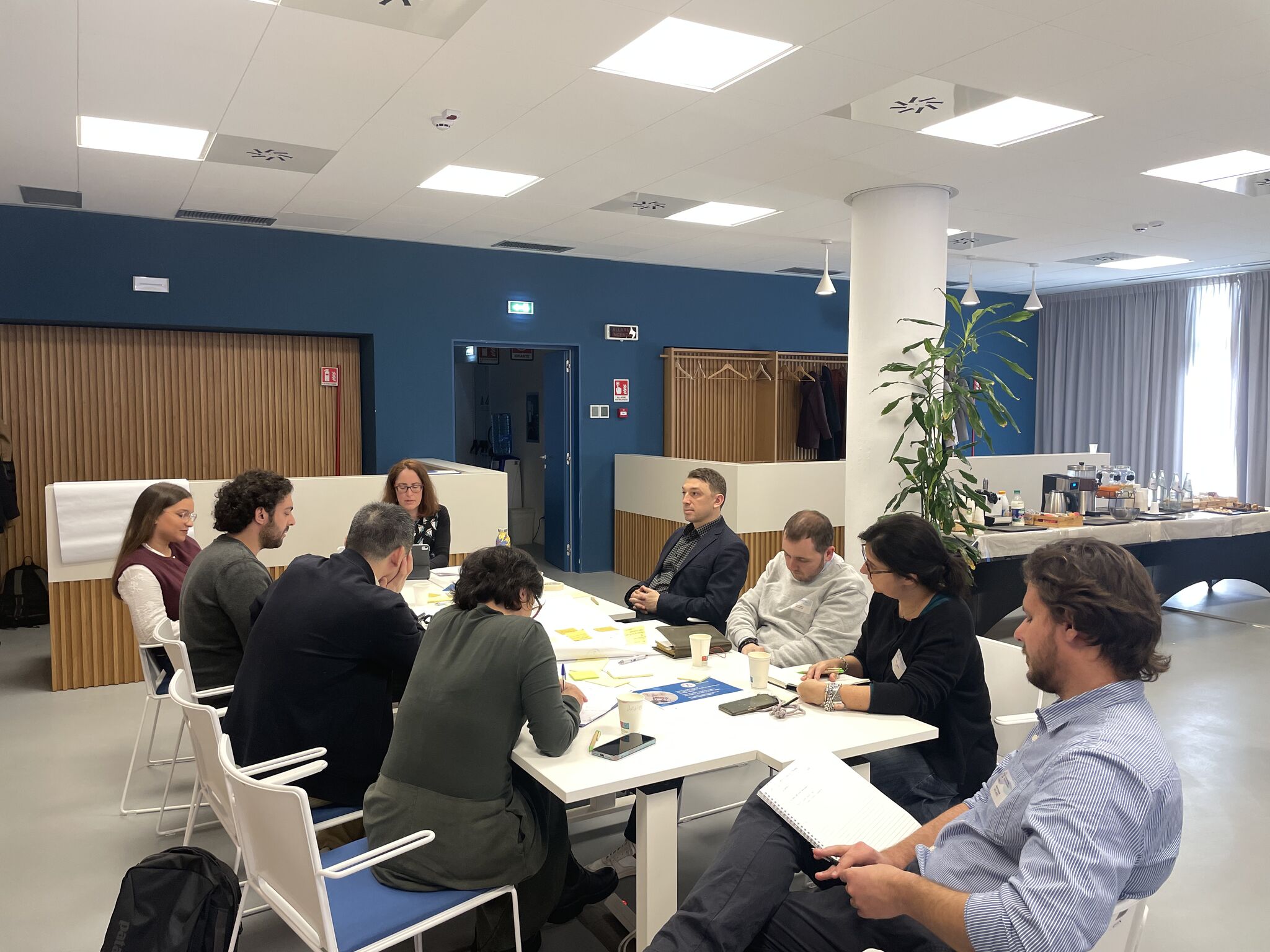
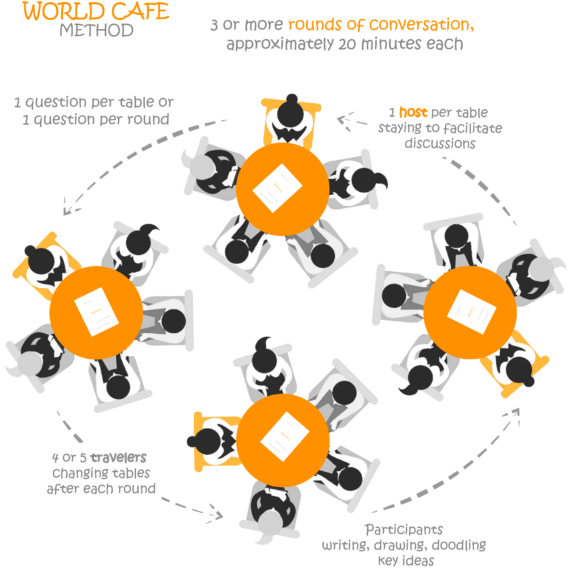
Using a World Café approach, participants rotated across thematic tables to identify key enablers and barriers for the uptake and exploitation of research and innovation results. The sessions also produced targeted recommendations for Research Funding Organisations (RFOs) and Research Performing Organisations (RPOs).
The two workshops
Workshop 1 — Water and Agricultural Heritage Landscapes
23 January 2026
National Water Conservation Awareness Centre, Għajn, Malta
Workshop 2 — Urban Heritage Resilience
30 January 2026
CMCC Headquarters, Lecce, Italy
Both workshops provided an opportunity for lively discussions and knowledge sharing. Participants explored challenges and opportunities for research uptake, reflected on enablers and barriers to effective dissemination and long-term impact, and co-developed recommendations for innovation pathways.
What are innovation pathways?
Innovation Pathways in SD-WISHEES describe the processes that guide research and innovation from ideas to practical, scalable solutions protecting cultural heritage from floods, droughts, storms, and other hydroclimatic extremes. These pathways encompass tools, technologies, policy frameworks, and capacity-building approaches that ensure R&I results make a tangible impact in society and policy.
Key takeaways from the workshops
- Recognition and incentives strengthen partnerships. Prestigious prizes and professional certification labels can foster governance-level collaborations and support long-term exploitation of R&I results.
- Art as a tool for societal uptake. Creative approaches emerged as a powerful means to engage the general public and enhance the dissemination of research and innovation outcomes.
- Informal engagement fosters trust. Social activities and informal gatherings help sustain collaboration, mitigate stakeholder fatigue, and support partnerships beyond project completion.
- Funding and continuity are critical. Dedicated resources for communication and dissemination, as well as sustainable follow-up funding, are essential to move tools and methods from lower to higher TRLs and ensure market and societal uptake.
- Staff turnover and resource constraints. Changes in personnel or insufficient project resources can disrupt implementation and knowledge transfer, highlighting the importance of continuity for lasting impact.
Expected outputs and next steps
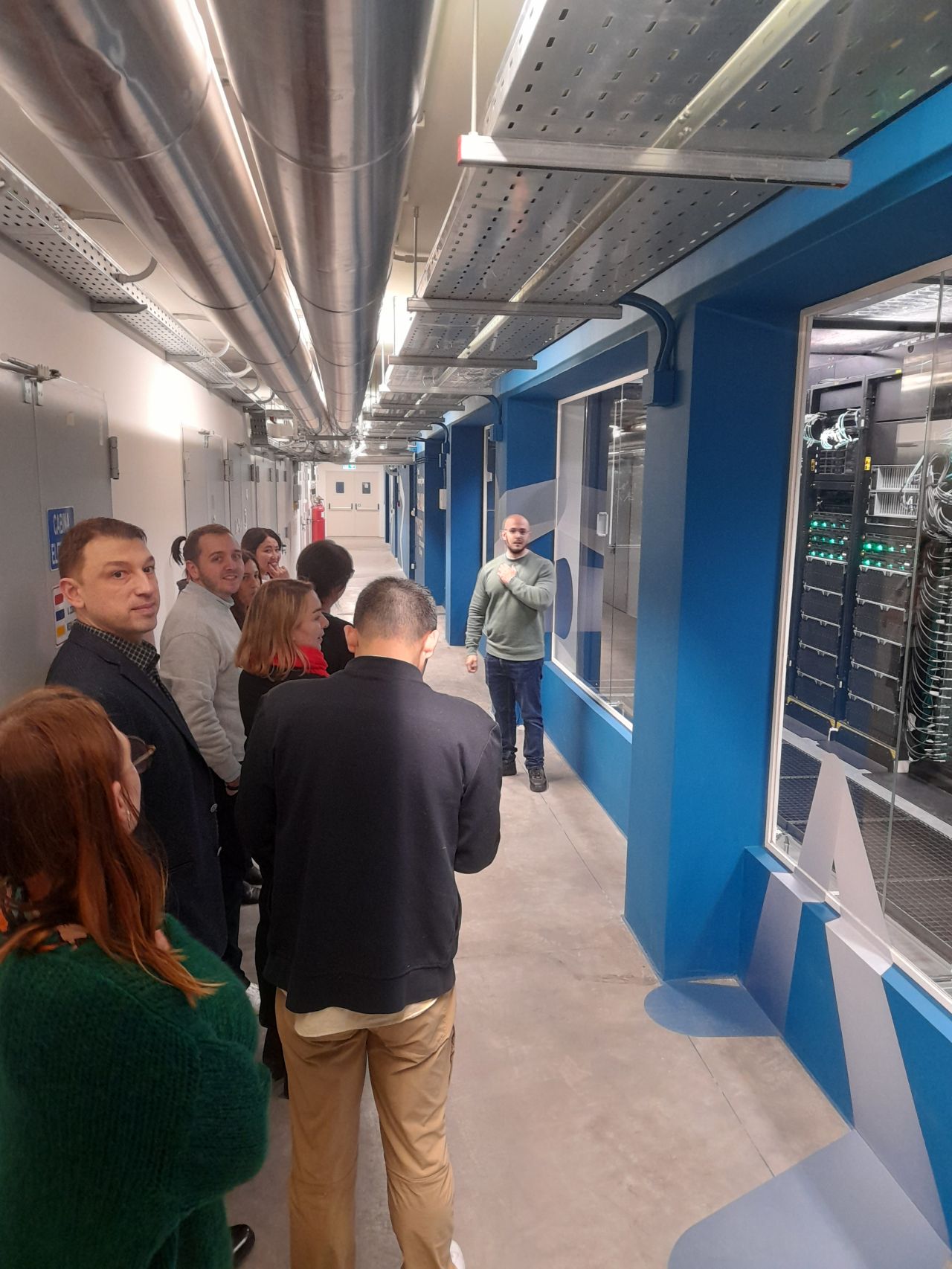
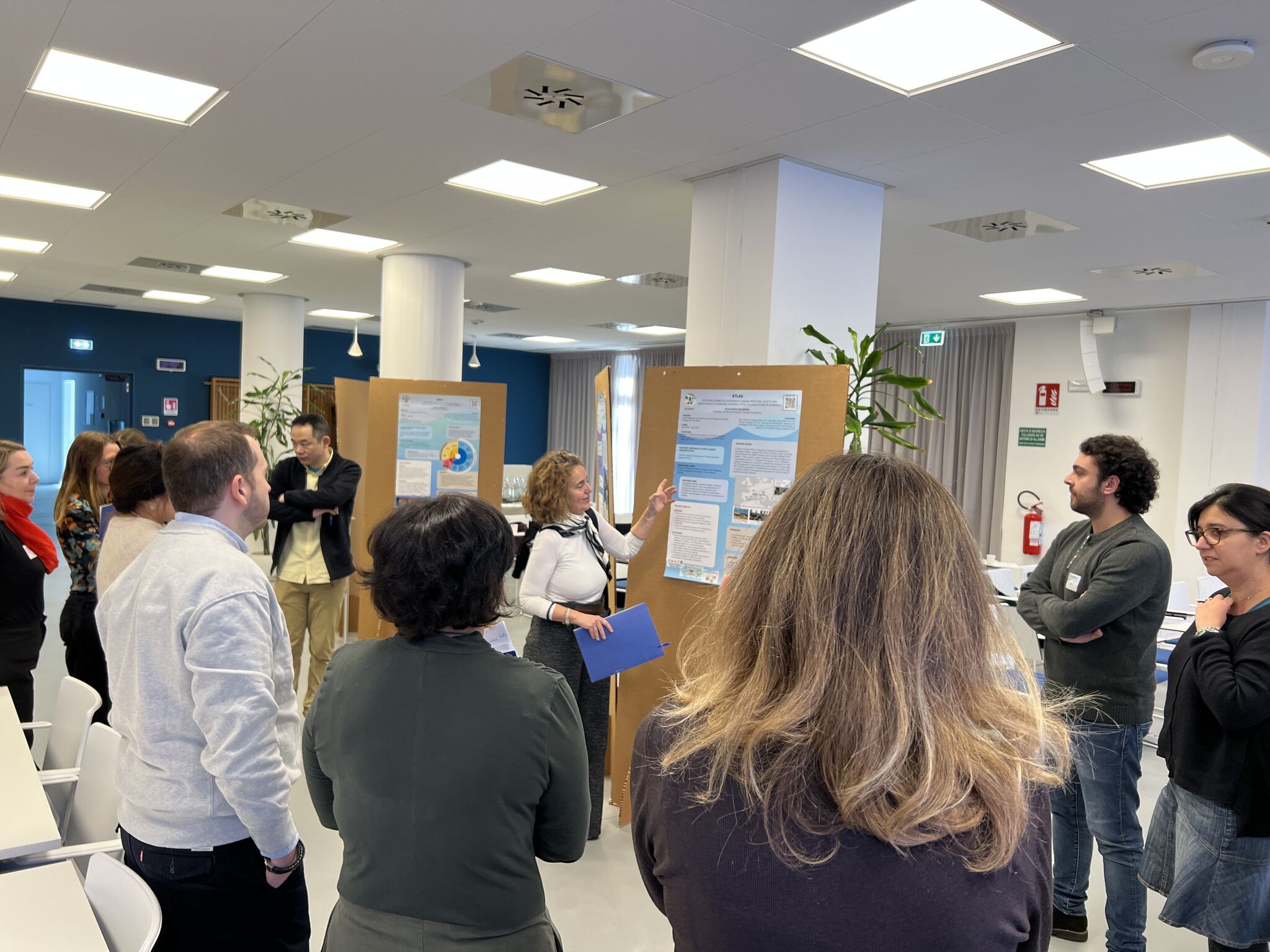
Photos and posters from both workshops are available below, showcasing the diversity of perspectives and ongoing work across projects and disciplines.